
National Museum of Denmark
Denmark's cultural history museum in a rococo palace, from the Sun Chariot to the Vikings.
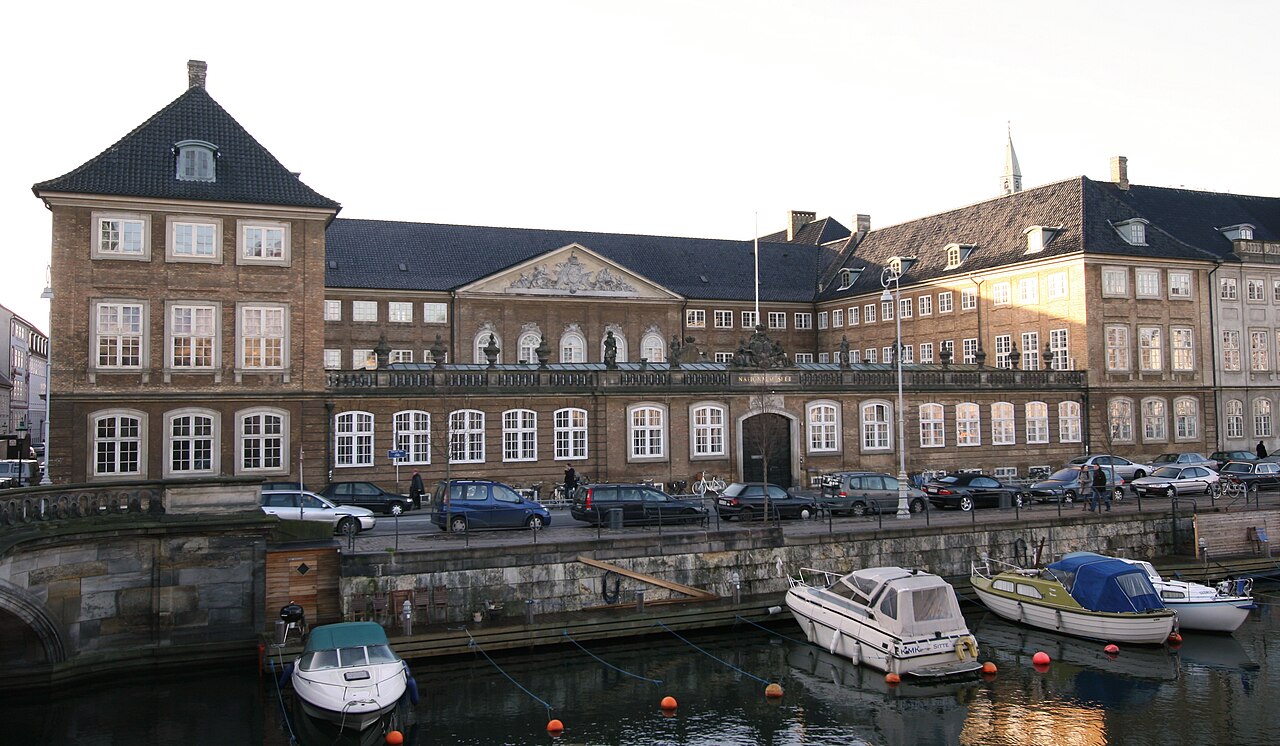
The National Museum occupies the Prince's Mansion on Ny Vestergade, a rococo town palace built for Crown Prince Frederik between 1743 and 1744 to designs by Nicolai Eigtved. The royal collections of antiquities had been gathered since the seventeenth century and became a public museum in the nineteenth; they moved into the converted palace in 1892 after remodelling. Later work, including a glazed central courtyard, opened the plan up, and the museum now runs to three main exhibition floors plus a children's museum.
Displays trace Danish life from the Stone Age to the present. Prehistoric holdings include the Trundholm Sun Chariot, the Gundestrup Cauldron, the Egtved Girl's oak coffin burial and a long sequence of bronze lurs. Upper floors cover the Middle Ages and Renaissance, the royal collection of curiosities, coins and medals, and Danish social history since 1660. Further departments hold Egyptian, classical and Near Eastern antiquities, Arctic and ethnographic collections, and material addressing Denmark's colonial past.
Highlights
- The Trundholm Sun Chariot and the Gundestrup Cauldron
- Egtved Girl burial and other Bronze Age oak coffin finds
- Children's Museum with a Viking ship and medieval kitchen
- Ethnographic and Arctic collections across two floors


